Which streets, common areas, landscaping, conduit, equipment locations, and other property does the association own or control?
Association-wide improvement checklist
Twelve questions for the HOA's community-wide Right-of-Entry agreement.
Use these questions to understand existing easement and service agreements, provider infrastructure and subscription data, and the rights, responsibilities, risks, and potential value affecting the association as a whole. Unknown answers identify areas to research.
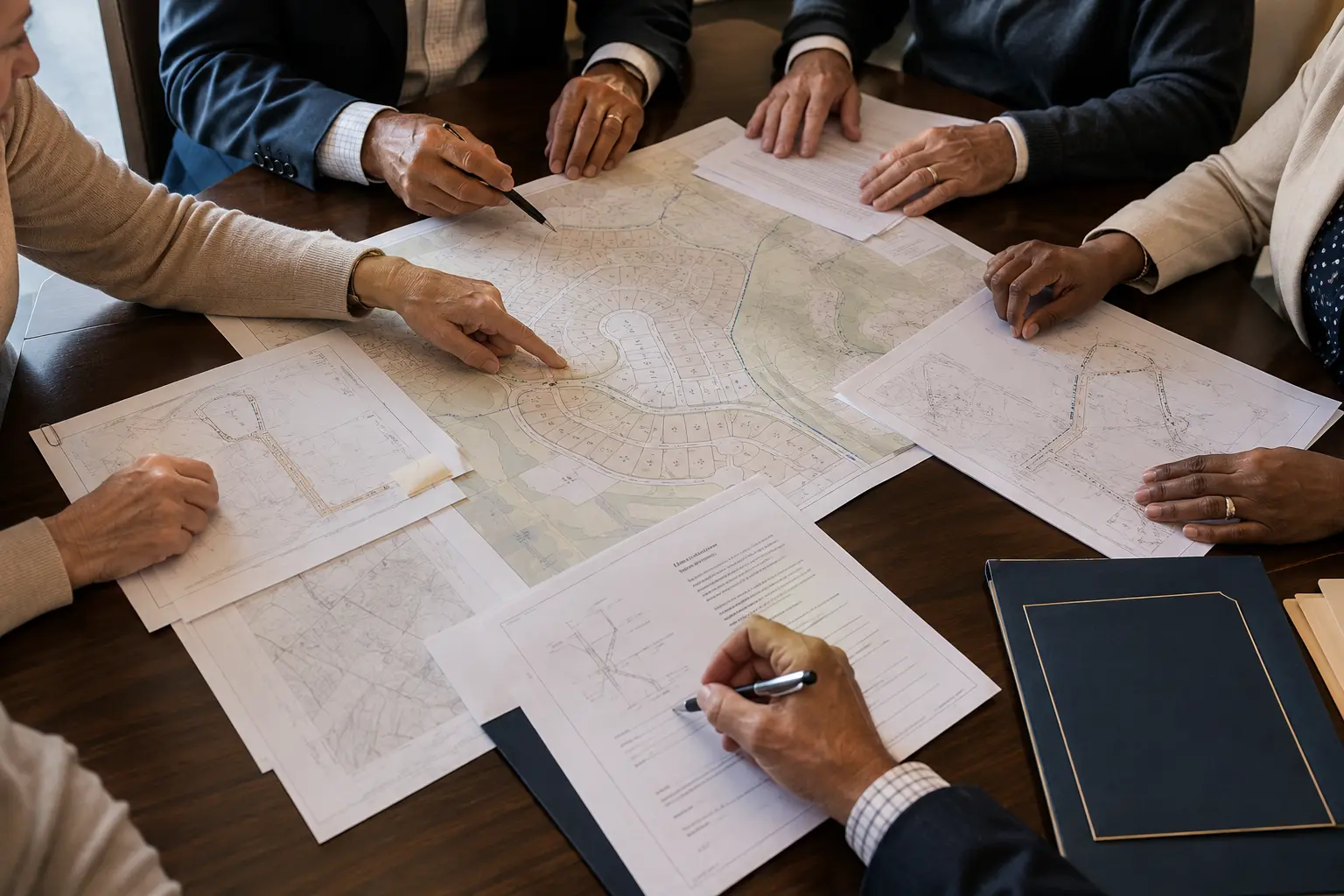
Review the complete file
Agreements and provider data belong in the same review.
Property records, plats, easements, prior agreements, construction plans, insurance requirements, infrastructure, and provider subscription data help explain the community’s telecom position.
- Rights already granted
- Gaps and opportunities to investigate
- Protections and value the board can pursue
Board handout
Download the checklist Send the 12-question checklist to your board.
A concise, branded PDF for sharing before a meeting or provider discussion.
What provider or contractor rights apply across that property under recorded easements, plats, permits, or existing agreements?
Does an existing agreement govern the association as a whole, or only certain parcels, facilities, providers, or activities?
What do existing Right of Entry, non-exclusive or exclusive marketing, and bulk-service provisions actually cover?
What infrastructure and subscription data are available, and what compensation or other value does the community receive?
How are payments calculated, reported, audited, and enforced?
Where does the provider work, and who approves construction routes, methods, schedules, and contractors?
What repair, restoration, inspection, punch-list, and warranty standards apply?
Who pays for damage, future maintenance, relocation, removal, and abandoned facilities?
What insurance, indemnification, lien, permit, and safety protections apply?
How long do the community-wide rights last, and may they renew, transfer, expand, or be assigned?
Does the agreement preserve future provider options and give the association meaningful, community-wide enforcement remedies?
One framework for the entire community
The agreement should apply consistent standards wherever the provider works on HOA-controlled property.
Potential compensation should be evaluated against the community’s rights, data, and lawful agreement options. Construction and restoration standards should apply across every approved route. Operational duties should survive installation. Enforcement rights should belong to the association for the full agreement term.
Compensation and value
- Upfront access or door fees
- Recurring revenue-sharing terms
- Payment reporting and audit rights
- Infrastructure, service, or other consideration
Construction, repair, and restoration
- Approved plans, routes, and work hours
- Repair and restoration standards
- Inspection, punch-list, and warranty rights
- As-built records and abandoned facilities
Risk and operations
- Insurance and indemnification
- Damage, maintenance, and relocation responsibility
- Notice, emergency access, and safety
- Permits, liens, contractors, and legal compliance
Contract control
- Term, renewal, termination, and assignment
- Marketing and resident communications
- Exclusivity and competitive flexibility
- Performance, default, and enforcement remedies
Improvement is not guaranteed. Existing easements or agreements may limit leverage, and ownership may vary within a community. The purpose is to confirm the facts and pursue supportable association-wide improvements before the board decides.
Start with what is known today
Not sure whether an agreement exists? That is enough to begin.
At no cost to explore. No obligation to proceed.
Share what the board knows today. Under an agreed scope, CCG retrieves and reviews agreements, requests infrastructure and subscription data, explains the community’s position, and helps pursue appropriate improvements. A complete file or a provider approach is not required.